How Automated Systems Improve Efficiency in Precision Aluminum Casting Workflows
Wiki Article
The Duty of CNC Finishing in Enhancing Aluminum Factory Castings
CNC ending up technology substantially influences the production of light weight aluminum shop castings. By accomplishing specific machining and exceptional surface area top quality, it helps satisfy strenuous industry standards. The procedure lowers flaws and decreases rework, boosting overall product performance. In addition, the visual quality of the castings is improved with progressed ending up strategies. Recognizing the intricacies of this innovation exposes its essential duty in modern-day production, motivating a more detailed evaluation of its applications and future developments.Understanding CNC Finishing Modern Technology
CNC finishing innovation represents a significant innovation in the accuracy machining of light weight aluminum castings. This technology uses computer numerical control (CNC) systems to automate the machining process, improving precision and performance. By utilizing advanced software, CNC machines can analyze intricate layouts and implement intricate cutting, drilling, and milling tasks with very little human intervention.The innovation is especially beneficial in the context of aluminum castings, which require exact resistances and surface area coatings. CNC ending up assurances that each element meets specific specs, reducing the probability of flaws and improving total high quality. Additionally, the repeatability of CNC operations enables for uniformity throughout production sets, which is necessary for markets requiring high requirements.
As manufacturers significantly adopt CNC ending up modern technology, they gain from minimized manufacturing times and constant outcomes, placing themselves competitively on the market. This advancement marks a critical change in the capabilities of aluminum casting processes.
Benefits of CNC Finishing for Aluminum Castings
While many machining strategies exist, the advantages of utilizing CNC finishing for aluminum spreadings are especially considerable - Aluminum Casting. CNC ending up deals enhanced precision, making certain that components meet specific specifications and tolerances. This level of precision reduces the danger of flaws, which can bring about expensive rework or item failures. Additionally, CNC finishing improves surface top quality, resulting in smoother finishes that are aesthetically pleasing and practical, especially for applications calling for limited resistancesAn additional benefit is the raised efficiency in production, as CNC devices can operate constantly with very little human intervention. This permits greater outcome and reduced labor costs. Additionally, CNC modern technology facilitates the creation of complex geometries that might be testing to attain via traditional methods, increasing layout opportunities. In general, the integration of CNC finishing right into light weight aluminum spreading processes not only boosts item high quality however also adds to functional effectiveness and design flexibility.
The CNC Finishing Refine Explained
The CNC completing process entails a collection of accurate techniques made to boost the surface top quality of light weight aluminum castings. This section will lay out the different CNC finishing strategies, the advantages they provide, and their applications within the domain name of aluminum spreadings. Comprehending these aspects is important for maximizing manufacturing and achieving preferred specs in completed items.CNC Finishing Techniques Overview
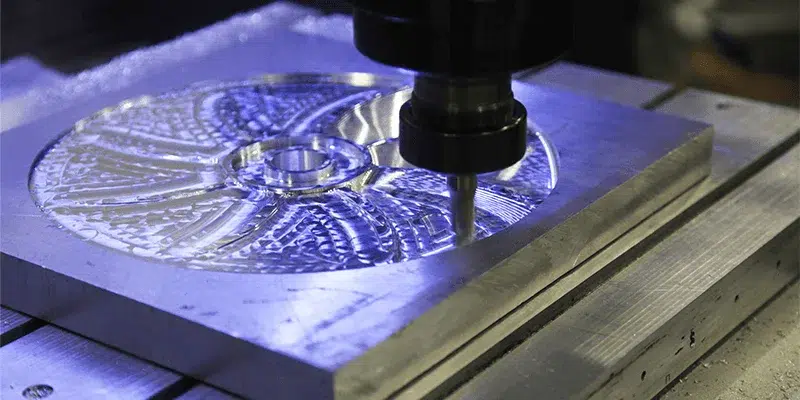
Accuracy specifies the CNC completing procedure, where aluminum spreadings undergo numerous techniques to accomplish perfect surface area quality and dimensional precision. Common techniques include milling, transforming, and grinding, each suited for specific applications. CNC milling entails eliminating material using rotating cutters, permitting for detailed shapes and contours. Transforming, on the various other hand, utilizes a rotating work surface versus a stationary cutting device, perfect for cylindrical attributes. Grinding is utilized for attaining fine surface area finishes and limited resistances. Additionally, techniques such as anodizing or polishing might be used post-machining to shield and enhance looks against corrosion. Each method plays an essential role in guaranteeing that the end product fulfills strict requirements and performance demands in varied sectors.Advantages of CNC Finishing
CNC finishing deals countless benefits that considerably enhance the general high quality and performance of light weight aluminum castings. This precision-driven procedure guarantees tight tolerances and remarkable surface area finishes, which are critical for applications requiring high efficiency and durability. CNC finishing lowers the threat of human mistake, providing consistent outcomes throughout numerous elements. The automation of the completing process not just raises performance however likewise reduces production prices by lessening material waste. Additionally, CNC finishing permits complex styles and intricate geometries to be achieved, increasing the design possibilities for developers and engineers. Moreover, the boosted surface high quality obtained from CNC techniques enhances the aesthetic allure of the spreadings while additionally promoting far better bond for coverings and therapies, causing longer-lasting products.
Applications in Aluminum Castings
Applications for aluminum castings benefit substantially from the CNC completing procedure, which enhances both functionality and performance. This technology is crucial in sectors such as auto and aerospace, where precision and durability are important. CNC finishing permits the manufacturing of tight resistances and intricate designs, making sure that cast components fit flawlessly into bigger settings up. In addition, the process improves surface area quality, resulting in decreased rubbing and wear, which is especially beneficial for moving parts. The ability to produce complex geometries also opens up possibilities for light-weight frameworks, which add to general power performance. Inevitably, CNC ending up not just boosts the visual appeal of aluminum castings yet also optimizes their operational efficiency, making it a valuable asset in modern production.Top Quality Control Measures in CNC Finishing
Quality assurance actions are essential in CNC ending up to assure the honesty and accuracy of aluminum castings. Strategies such as accuracy dimension, surface area stability assessment, and defect discovery play a critical duty in keeping high requirements throughout the completing process. Applying these actions assists to determine and rectify possible problems before last manufacturing, eventually enhancing item top quality.Precision Measurement Techniques
Reliable accuracy measurement methods are important for assuring the highest criteria in aluminum spreading surfaces. These techniques entail utilizing advanced devices such as coordinate measuring devices (CMMs), laser scanning, and optical comparators to attain precise dimensional assessments. By using these methods, suppliers can find discrepancies in resistances and maintain uniformity across manufacturing runs. Additionally, view it the combination of electronic measurement systems boosts real-time monitoring, enabling for immediate modifications throughout the CNC finishing procedure. This proactive technique not only minimizes scrap prices however also enhances total product top quality. Carrying out strenuous measurement methods guarantees that spreadings meet rigid specifications, consequently fostering self-confidence in the end product and enhancing the credibility of the shop in an open market.Surface Stability Analysis
Defect Detection Methods
Numerous defect detection approaches are employed in CNC completing to ensure aluminum castings meet rigorous top quality criteria. Aesthetic evaluation remains a basic method, enabling operators to recognize surface area irregularities and disparities. On top of that, non-destructive screening (NDT) strategies, such as eddy and ultrasonic present testing, are utilized to detect subsurface imperfections without endangering the honesty of the elements. Automated optical evaluation systems also enhance defect discovery by using innovative imaging modern technology to assess surface features. Dimensional examination making use of coordinate determining machines (CMM) guarantees that spreadings stick to specific specifications. Aluminum Casting. By integrating these varied approaches, CNC completing procedures can efficiently identify and address prospective issues, eventually enhancing item top quality and performance, while making sure compliance with market standardsSituation Researches: Successful Applications of CNC Finishing
As markets significantly demand accuracy and high quality in light weight aluminum spreadings, effective applications of CNC completing have actually emerged as important case research studies. One remarkable instance is the automobile industry, where producers executed CNC completing to generate intricate parts with limited resistances. This method reduced the requirement for hand-operated ending up, decreased production time, and improved general component efficiency.In aerospace, a leading firm adopted CNC finishing to fine-tune complicated parts, causing lighter frameworks without compromising strength. The precision achieved through CNC technology enabled a lot more reliable setting up procedures and enhanced the rules of aerodynamics.
In addition, a clinical tool manufacturer utilized CNC finishing to create aluminum housings for surgical instruments. The smooth and precise finishes not just fulfilled rigorous governing requirements however additionally boosted the tools' functionality and longevity - Aluminum Casting Company. These situation research studies show exactly how CNC completing considerably improves the high quality and performance of light weight aluminum spreadings across various markets
Future Trends in CNC Finishing for Light Weight Aluminum Foundries
The innovations in CNC completing technology are positioned to considerably influence light weight aluminum factories in the coming years. Enhanced automation and the assimilation of fabricated intelligence will enable for more effective and precise machining processes. This change will certainly enable shops to produce intricate geometries with decreased cycle times, enhancing efficiency and reducing waste.Furthermore, the rise of additive production techniques, such as 3D printing, is anticipated to complement CNC completing, offering ingenious solutions for complex design demands. As sustainability becomes a concern, eco-friendly machining methods and using recyclable materials will likely obtain traction in the market.

Frequently Asked Concerns
Just How Does CNC Finishing Impact the General Cost of Light Weight Aluminum Castings?
CNC completing can substantially impact the total cost of light weight aluminum spreadings by raising manufacturing performance and decreasing product waste. The initial investment in CNC innovation may elevate upfront prices, stabilizing long-term savings against temporary expenses.What Products Can CNC Finishing Be Applied to Besides Light weight aluminum?
CNC completing can be put on various materials besides aluminum, including steel, brass, copper, plastics, titanium, and composites. Each material benefits in different ways from CNC procedures, boosting accuracy, surface area top quality, and total item efficiency.Is CNC Finishing Eco-friendly?
CNC finishing is generally considered environmentally friendly, as it minimizes product waste via accuracy machining. Furthermore, innovations in coolant and lubrication modern technologies further reduce environmental impact, advertising an extra lasting production process in general.

Just how Long Does the CNC Finishing Process Normally Take?
The CNC ending up procedure typically takes anywhere from a few hours to several days, depending on the complexity of the part, the material being processed, and the specific demands of the ending up jobs entailed.What Safety And Security Actions Are Essential Throughout CNC Finishing Operations?
Essential safety measures Go Here during CNC ending up procedures consist of putting on individual safety devices, guaranteeing proper machine safeguarding, preserving a clean workspace, sticking to secure handling procedures for materials, and conducting more tips here normal devices examinations to avoid accidents.The CNC finishing procedure includes a series of exact methods designed to boost the surface area top quality of light weight aluminum castings. Accuracy defines the CNC finishing procedure, where aluminum castings undertake different techniques to attain suitable surface quality and dimensional precision. CNC finishing deals numerous benefits that considerably improve the overall top quality and performance of light weight aluminum spreadings. Applications for aluminum spreadings benefit greatly from the CNC completing procedure, which improves both capability and performance. Surface area integrity analysis plays a vital role in making sure that CNC finishing processes generate top quality light weight aluminum castings.
Report this wiki page